
NDIS assistive technology is any tool or piece of equipment that makes your daily life easier. It helps people with disabilities do tasks they cannot do alone. You can get funding for these tools if they are part of your NDIS goals.
TL;DR
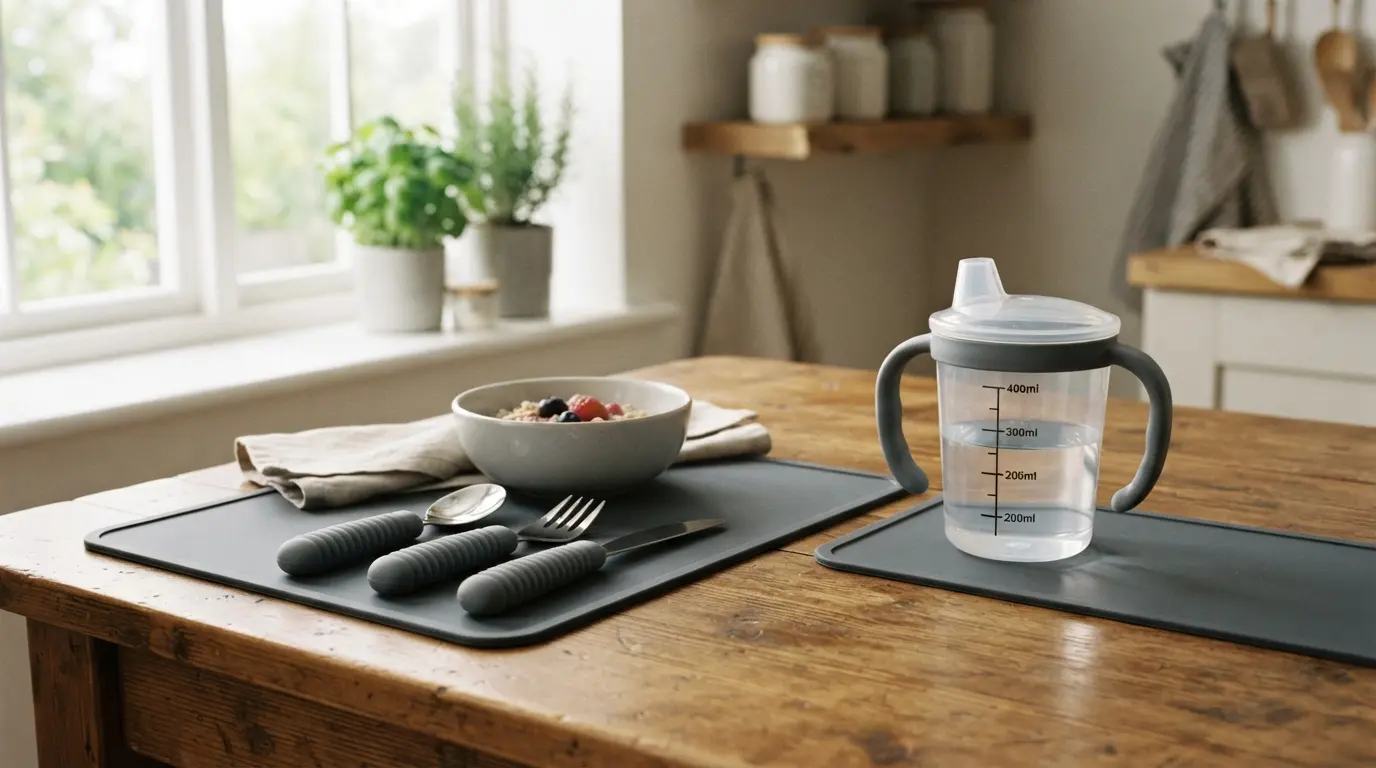
Assistive technology (AT) covers many things. It includes simple items like non-slip mats and complex gear like power wheelchairs. The NDIS splits these items into three cost groups. We focus on tools that help with mental health and living on your own. These tools help you feel safe and in control.
You can get help from us in Victoria, Queensland, Western Australia, and the Northern Territory. To get funding, you often need an assessment from a professional. This proves the tool is right for you. We help you find the best tools to reach your goals. We make sure your gear fits your life perfectly.
What is NDIS assistive technology?
It is any device that helps you do things safely or with more ease. This includes tools for moving, talking, or feeling calm.
We see how the right tools change lives every day. Some people need help to walk. Others need help to speak. These tools are called AT. The NDIS funds these items when they are "reasonable and necessary." This means the tool must relate to your disability. It must also be a fair price.
There are two main risk levels for AT. Low risk items are easy to buy in shops. You can set them up yourself. Higher risk items are more complex. They might need a professional to set them up. We always suggest talking to an expert first. This keeps you safe and saves money.
How does NDIS AT funding work?
The NDIS gives you money for tools based on how much they cost. There are three main price levels for these items.
The NDIS looks at the price of each item. This tells them what proof they need from you. We have listed the cost levels below to help you plan.
AT Cost Categories
Level | Cost Per Item | What You Need |
Low Cost | Under $1,500 | No quotes usually needed. |
Mid Cost | $1,500 to $15,000 | A letter or report from an expert. |
High Cost | Over $15,000 | Formal quotes and a full assessment. |
Most low-cost items come from your Core budget. This is for things like consumables. Larger items usually come from your Capital budget. We can help you check your plan to see where your money is.
Can you get AT for mental health?
Yes, the NDIS funds tools that help with psychosocial disabilities and sensory needs. These tools help you stay calm and manage your day.
Many people think AT is only for physical help. We found that sensory tools are just as vital. These tools can help kids with special needs focus. They can help adults with mental health needs feel safe at home.
We use tools like weighted blankets or noise-cancelling headphones. Some people use smart-home tech to remember tasks. This helps you live alone without constant help. It builds your confidence. We believe your mind deserves the same support as your body.
Who does an AT assessment?
A qualified expert like an Occupational Therapist or a Speech Pathologist does the assessment. They check if the tool actually helps you.
You need an expert for any tool that costs over $1,500. They will meet with you to talk about your goals. They will watch you use the tool. This is called a trial. It is very important to try things before you buy them.
The expert writes a report for the NDIS. This report explains why you need the tool. It shows how the tool will help you be more independent. We work with many therapists who know the NDIS rules well. They make sure your report is strong and clear.
How do you choose an AT provider?
You should look for a provider that has the right gear and offers good training. A good provider will help you fix the tool if it breaks.
Choosing the right shop or service is a big step. You can buy low-cost items from normal shops. For complex gear, you should use a specialist. You want a provider that cares about your journey.
Check if they offer a warranty. This protects you if the tool stops working. Also, ask if they can come to your home. We assist people in the Northern Territory and other states to find local help. Local help is faster and easier for you.
Why is SIL and AT a good match?
Using technology in Supported Independent Living (SIL) helps you do more for yourself. It reduces the need for workers to help with every small task.
We provide 24/7 onsite support in our SIL homes. We find that the right tools make a huge difference. For example, a smart kettle can help you make tea safely. An automated door lock can help you feel secure.
These tools do not replace humans. They give you more power over your own life. We want you to feel proud of what you can do. Our team helps you learn how to use these tools every day. We make sure the tech works for your specific needs.
Where can you find NDHS services?
We operate in Victoria, Queensland, Western Australia, and the Northern Territory. We focus on helping families and people with mental health needs.
Each state has different rules for some services. We know the local networks in each area. This is very helpful in the Northern Territory where services can be far apart. We make sure you get the same high quality of care no matter where you live.
Our focus is always on the family unit. We know that when a participant gets the right gear, it helps the whole family. It reduces stress for parents. It creates a happier home. We are proud to be a fully registered provider you can trust.
Frequently Asked Questions
Does the NDIS pay for iPad repairs?
The NDIS may pay for repairs if the iPad is used only for communication. You must show that the device is vital for your disability.
Can I buy a weighted blanket with my NDIS funds?
You can often buy these if you have a sensory goal in your plan. It is best to get a recommendation from an Occupational Therapist first.
How long does AT approval take?
Low-cost items can be bought right away if you have the budget. High-cost items can take several months for the NDIA to approve.
Do I own the equipment?
In most cases, you own the tools bought with your NDIS funds. You are responsible for keeping them clean and safe.
Can I hire tools instead of buying?
Yes, you can rent or hire tools if your needs might change soon. This is a great way to test expensive gear.
Useful Resources
We can help you navigate your NDIS journey. Visit our services page to learn about our homes. If you are ready to talk, contact us today. Our team is here to support your independence.
Related Articles
What Is a Psychosocial Recovery Coach and How Can You Request One in Your NDIS Plan?
Discover how an NDIS psychosocial recovery coach supports your recovery goals and builds independence. Read our guide to get started today.

Community Access NDIS vs Social and Community Participation
Understand how community access NDIS funding works across Core and Capacity Building categories, including shift rates and travel rules.
NDIS Consumables: Spending Rules, Eligible Items, and Budget Management
Understand your NDIS consumables funding, approved items, and spending rules. Get clear guidance on managing daily supports with confidence.