
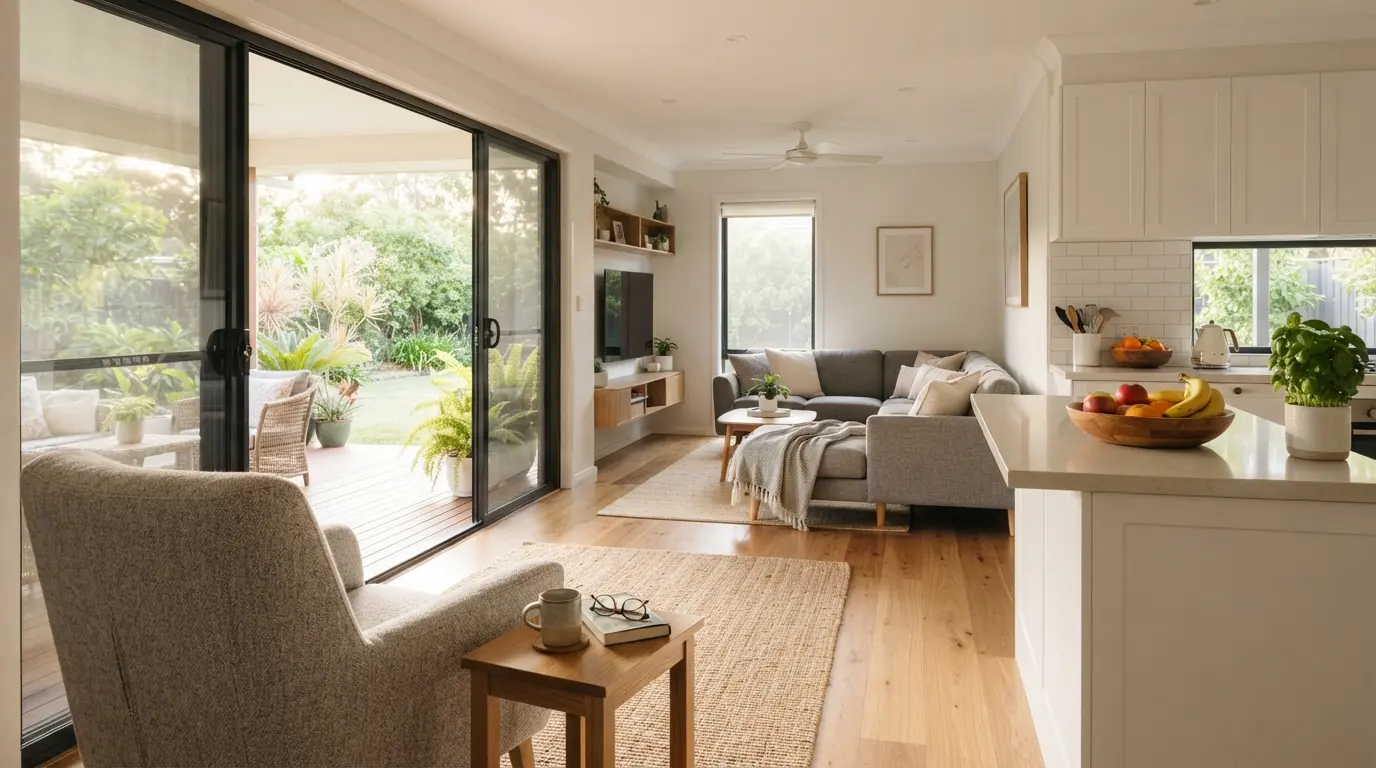
STA is funded support for participants to stay away from home while giving primary carers a break. The funding covers accommodation, personal care, meals, and skill development activities. Stays run up to 14 days at a time to keep family care sustainable over time.
Key Takeaways
Respite funding targets participants who receive heavy daily informal care from family or friends.
Standard NDIS plans can fund up to 28 days of respite each plan year.
Funding sits inside the Core budget under Assistance with Daily Life.
The scheme does not fund general holidays, plane tickets, or holiday activities.
Participants who receive Supported Independent Living funding cannot claim short term respite.
What Is NDIS Short Term Accommodation
Short Term Accommodation (STA) is a short stay away from your usual home with support staff included. The National Disability Insurance Agency calls this support Short Term Respite (STR). The term reflects its main goal: giving family members and unpaid carers a planned break.
During a stay, support workers help you with your daily routine. You receive the support you need, spend time in a fresh setting, and meet other people. Learn more about our approach to daily routines through our psychosocial support team.
We support participants and families through these breaks every day. Regular planned time apart protects carers from burnout. It keeps home living arrangements stable and healthy over the long run.
Core Features of the Respite Framework
Standard funding limit: up to 28 days per plan year
Maximum single stay duration: 14 days in a row
Main qualifying factor: substantial daily informal care
Core budget line: Assistance with Daily Life
Purpose of Short Term Respite
Respite provides direct benefits to both the participant and the family unit:
Carers get time to rest, sleep, and handle other daily responsibilities.
Participants practice independent living skills in a safe place.
You can cook meals, manage money, and visit local places with staff nearby.
The time away breaks up weekly routines without losing essential help.
Family members return to their care roles refreshed and better able to cope.
Official NDIS Respite Rules and Time Limits
The NDIS limits how many funded days you can use. Most plans provide up to 28 days each year. You can split this time up during the year to fit your needs.
Some families use one weekend each month. Others take a full week during school breaks. A single stay cannot last more than 14 days in a row.
Planning your dates early helps you secure suitable places. Stays fill up quickly during holiday periods, so booking ahead prevents sudden scheduling problems.
Ways to Divide Your 28 Days
Option A: one 14-day block during the year plus several shorter weekend stays
Option B: one weekend of 2 days each month across the entire year
Option C: two 7-day school holiday breaks combined with individual single days
Option D: short 3-day visits spaced evenly across each quarter
Children at Risk Exceptions
Young participants facing high risks have access to extra help:
Planners may fund up to 60 days per year for children at risk of entering residential facilities.
Single stays can run up to 30 days at a time under these conditions.
Allied health therapists must supply written reports showing high family strain.
The reports must prove that extended respite prevents immediate family breakdown.
Periodic case reviews ensure the child remains supported to return home safely.
Who Qualifies for Respite Funding
You must meet specific rules to receive respite funding in your plan. The main rule is that you live with an informal carer who gives you daily, unpaid support.
Planners look at whether you receive substantial informal care, usually benchmarked at more than 6 hours per day. They review how much stress your carer carries from managing physical, medical, or behavioural support.
Review the formal criteria directly on the NDIS Operational Guidelines on Short Term Accommodation.
Common Eligibility Factors
The agency reviews your daily care setup to confirm eligibility:
Complex behavioural support needs that require close supervision.
Medical needs like enteral feeding, bowel care, or regular airway management.
Ageing parents or family carers dealing with their own health issues.
Limited family or community networks nearby to share care tasks.
Unstable home dynamics that improve when both sides take scheduled breaks.
Exclusions for Independent Living
Respite funding does not apply to every living situation:
People who live alone without daily informal care do not qualify.
Participants who receive funding for Supported Independent Living are excluded.
Those already receiving over 18 hours of paid support each day cannot claim respite.
Respite funding cannot be used to fix rent problems, lease endings, or emergency homelessness.
Families seeking holiday accommodation discounts without care needs are declined.
What Costs Does NDIS Respite Cover
Respite stays use set line items under Registration Group 0115. This rate pays for all basic elements of your stay together.
The bundled rate pays for your accommodation, support workers, and three meals a day. It also includes short vehicle trips to local parks, shops, and community events during the stay.
Find the current item codes and limits in the official NDIS Pricing Arrangements documents.
Included in Standard Daily Rate
Clean, accessible accommodation
Active personal care assistance
Nutritious daily meals
Goal-directed community outings
Transport directly tied to support activities during the stay
Fully Excluded Costs
Airline flights and visas
Theme park and cinema tickets
Carer travel and personal bills
Luxury room upgrades
Discretionary shopping and takeaway meals
Understanding the Daily Lodging Cap
The agency sets a limit of $162.85 per day for basic lodging. This cap applies when you book accommodation on its own without care staff.
You can claim an extra $162.85 per day if your support worker needs a private room during a night shift.
Splitting lodging costs from support worker hours gives families flexibility to select properties that match sensory and physical accessibility needs.
What Is Never Funded
The scheme forbids using respite funds for vacations or leisure trips:
Flights, train tickets, visas, and cruises are excluded.
Entry tickets for theme parks, movies, sporting games, and concerts must be paid with your own money.
Carers or relatives who travel with you must pay their own food and hotel bills.
Luxury room upgrades beyond basic accessible housing are not allowed.
Overseas travel and out-of-pocket tourist excursions cannot be claimed.
See how funding challenges are resolved by reading past cases on the Administrative Review Tribunal NDIS Published Decisions website.
Using Your Core Supports Budget for Respite
Respite sits under your Core budget within Assistance with Daily Life. Core funding is flexible. This means you can often use your Core funds for respite even if the words Short Term Accommodation are not listed on your plan.
You must still ensure the expense meets Section 34 reasonable and necessary rules. The stay must link directly to your disability needs and give your carer a break.
If your Core funding is running low, you can ask for a plan reassessment. Ask your GP, occupational therapist, or psychologist for letters explaining why your carer needs relief.
Steps to Prepare for a Plan Review
Keep a care diary showing daily informal care hours over several weeks.
Gather clinical letters that describe carer fatigue and health risks.
Outline specific participant goals related to community independence and daily routines.
Contact your support coordinator to submit the review request early.
Evidence-Based Respite with NDHS
We provide structured respite services across Victoria, Queensland, Western Australia, and the Northern Territory. Our teams understand psychosocial disability and complex behavioural support needs.
Our support approaches follow evidence-based practices that focus on safety and personal dignity. We build clear daily routines so participants feel comfortable, relaxed, and safe.
Every stay matches the person's sensory preferences and practical goals. This ensures time away from home feels calm, supportive, and familiar.
What You Can Expect During a Stay
Support staff matched to your personal communication and routine needs.
Quiet spaces designed to minimise sensory overload and stress.
Healthy, fresh meals prepared according to your dietary requirements.
Regular communication updates so family carers enjoy complete peace of mind.
Frequently asked questions
Can I book respite if it is not written into my NDIS plan?
Yes. You can often use flexible Core funding under Assistance with Daily Life if the support meets reasonable and necessary rules.
How many days of respite can I take at one time?
Standard NDIS rules allow up to 14 days in a row for a single stay. Stays longer than 14 days need special approval from the agency.
Does respite pay for food while I stay away from home?
Yes. Daily meals are included in the bundled daily rate when you stay with a registered provider.
Can my family stay in the accommodation with me?
NDIS funding only covers the participant. Family members or carers who stay with you must pay their own accommodation and food costs privately.
Speak With Our Support Team
Contact our team today to check your respite funding and view available properties in your state.
Related Articles

NDIS Consumables: Spending Rules, Eligible Items, and Budget Management
Understand your NDIS consumables funding, approved items, and spending rules. Get clear guidance on managing daily supports with confidence.

How to Hire and Choose the Right NDIS Support Worker
A disability support worker assists you with daily living, personal care, and getting out into your local area under the National Disability Insurance...

Specialist Support Coordination for Complex Mental Health Needs
When mental health challenges become overwhelming, specialist support coordination brings clinical expertise and stability to your NDIS plan.