
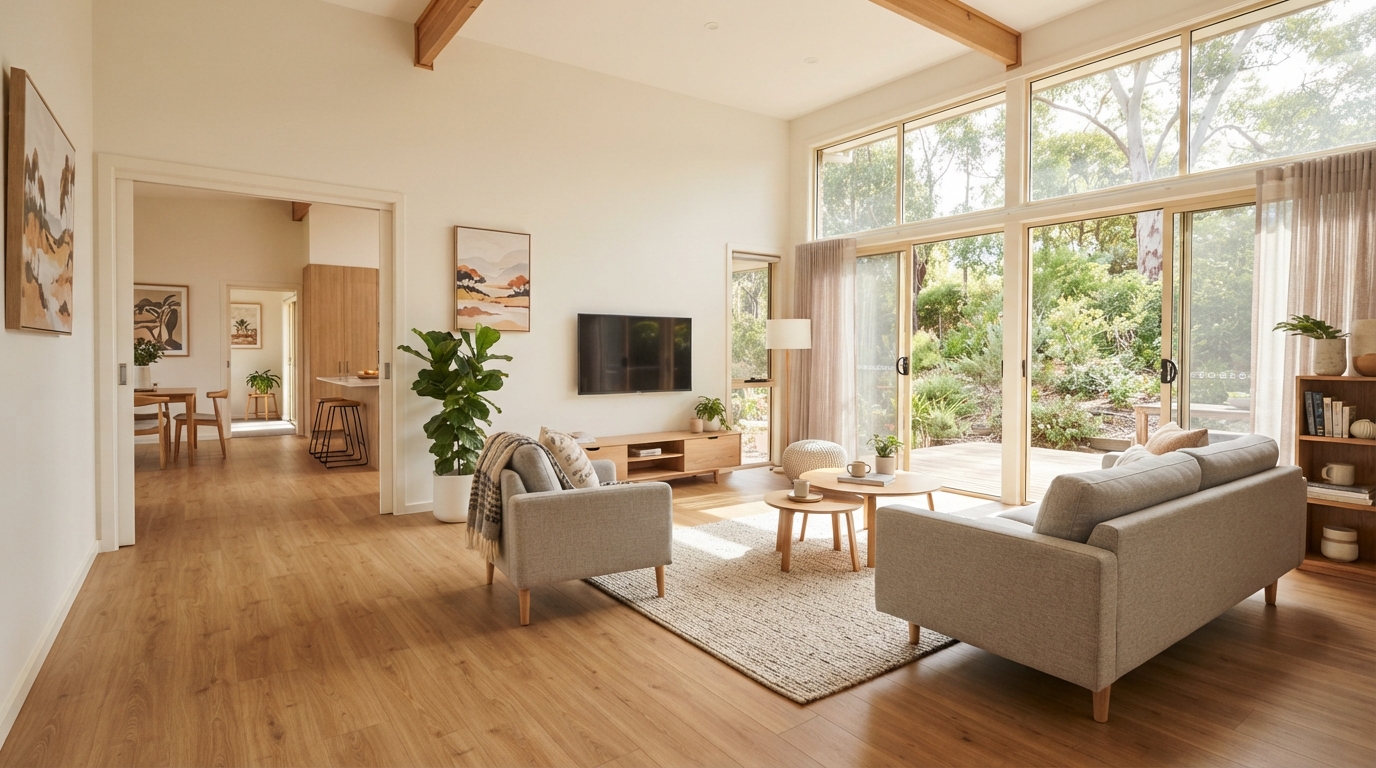
Learning the difference between sda housing and Supported Independent Living (SIL) helps you secure the right NDIS funding. SDA pays for the physical building and specialized structural features you live in. SIL covers the daily support workers who assist you with everyday routines inside your home.
Key Takeaways
SDA Housing covers the physical home, accessibility modifications, and purpose-built infrastructure.
Supported Independent Living (SIL) funds support workers for daily tasks like cooking, personal hygiene, and skill building.
SDA comes from your Capital Supports budget, while SIL comes from your Core Supports budget.
You can receive both supports at the same time if your functional assessments demonstrate the need.
You retain the right under NDIS rules to change your SIL care provider without losing your SDA tenancy.
What Is SDA Housing
Specialist Disability Accommodation, commonly known as sda housing, refers to specialized homes designed for people with extreme functional impairment or very high support needs. The goal of this funding is to make independent living safer and more accessible through purpose-built physical environments.
According to the NDIA SDA Market Insights, approximately 6% of NDIS participants qualify for this capital funding. It does not pay for support staff, groceries, or general household utility bills. Instead, it funds the structure and modified spaces that allow daily care to happen safely.
Every certified property follows the official NDIS Design Standard to ensure proper accessibility. The NDIS funds four distinct categories of specialized homes:
Improved Liveability: Built for participants with sensory, cognitive, or intellectual impairments. Features include clear lines of sight, luminance contrast for visual navigation, and reduced sensory distractions.
Fully Accessible: Built for individuals with significant physical mobility challenges. These homes provide step-free access throughout, wider doorways, roll-in bathrooms, and wheelchair-accessible kitchens.
High Physical Support: Includes all features of Fully Accessible homes, along with structural provisions for ceiling hoists, emergency power backup, automated doors, and assistive technology.
Robust Design: Built using resilient, impact-resistant materials. These homes offer acoustic dampening, reinforced walls, and laminated glass to protect participants and staff.
What Is Supported Independent Living
While SDA focuses on the physical building, Supported Independent Living (SIL) provides the dedicated support workers you need to live independently. Funded under your Core budget for Assistance with Daily Life, SIL provides support workers to assist with daily personal tasks and build everyday life skills.
Our team works with participants to deliver person-centred care tailored to individual routines. We assist with:
Personal care routines such as bathing, dressing, and hygiene.
Meal planning, grocery shopping, and cooking nutritious food.
Household tasks like laundry, cleaning, and home organisation.
Managing medication routines and attending health appointments.
Developing social skills and participating in local community activities.
SIL can take place in private rental properties, family homes, or shared living arrangements. You can learn more about how daily assistance works by visiting our supported independent living service page.
How SDA and SIL Differ
Understanding how these two funding streams contrast makes planning much simpler:
Primary Purpose: SDA covers the physical property and modified fittings, whereas SIL covers the daily support staff and personal assistance.
Funding Stream: SDA is allocated through your Capital Supports budget, whereas SIL is allocated through your Core Supports budget.
Daily Living Costs: Neither funding stream pays for everyday groceries, personal phone plans, or standard utility bills.
Delivery Location: SIL can take place in standard rental homes, family houses, or SDA dwellings. SDA is strictly tied to certified, enrolled properties.
Eligibility Criteria: SDA is restricted to participants with extreme physical or cognitive challenges requiring specialized housing. SIL is designed for participants who require regular or 24/7 personal support to live safely.
How SDA Housing and SIL Work Together
While they are assessed independently, sda housing and SIL frequently combine to form a complete living arrangement. A participant might live in a specialized, accessible apartment while receiving scheduled or around-the-clock support from dedicated care workers.
The NDIS Quality and Safeguards Commission enforces strict rules to keep housing management separate from service delivery. This separation protects your rights and ensures you retain total choice and control over your daily living arrangements.
Under these rules:
You are never required to use the same organisation for both your physical home and your daily support team.
An SDA housing landlord maintains the property, while your SIL provider manages your daily care roster.
If you choose to change your SIL provider, you can do so without risking your tenancy in your SDA home.
Housing Options for Psychosocial Needs and Mental Health
Specialized housing is not limited to physical disabilities. Participants with severe mental health challenges and psychosocial disabilities often require specialized home environments to manage sensory triggers and emotional distress.
When paired with our dedicated psychosocial support services, Robust SDA homes provide secure, calm spaces that promote stability. Soundproofed rooms, durable fixtures, and secure breakout areas help reduce anxiety and support long-term recovery.
Our team supports participants and their families across Victoria, Queensland, Western Australia, and the Northern Territory. We focus on evidence-based practices to ensure every participant receives stable, compassionate, and recovery-oriented care.
Step-by-Step Guide to Applying for Funding
Securing housing and daily support funding requires comprehensive clinical evidence showing that your request meets the reasonable and necessary criteria under the National Disability Insurance Scheme Act 2013.
Step 1: Complete a Functional Assessment: An Occupational Therapist must complete a comprehensive housing assessment. This report outlines your functional capacity, explains why standard housing is unsuitable, and recommends a specific SDA design category.
Step 2: Collect Clinical Evidence: Gather supporting letters and medical histories from your treating health team, including psychologists, psychiatrists, speech pathologists, and general practitioners. These documents confirm your daily care requirements.
Step 3: Develop a Roster of Care: Your support coordinator or provider will build a Roster of Care (RoC). This document outlines the exact hours of individual support, shared care, active overnight assistance, or sleepover support needed throughout the week.
Step 4: Submit Your Request to the NDIA: Submit your complete evidence pack to the NDIA for assessment. Once your funding is approved, you can search for suitable property vacancies and choose your preferred support provider.
Frequently asked questions
Can I live in an SDA property without SIL funding?
Yes. You do not need SIL to live in an SDA property. Some participants live in SDA homes while using standard Core drop-in support, family support, or assistive technology to manage daily tasks.
Does SDA funding pay for my daily rent and food?
No. SDA only funds the specialized accessibility features of the building. Participants pay a reasonable rent contribution alongside their own utility and grocery costs.
Can I choose different providers for my housing and daily care?
Yes. The NDIS protects your right to choose different organisations. You can sign a tenancy agreement with one SDA provider and hire an independent provider to deliver your daily SIL services.
Find the Right Living Support Today
Finding the right balance between accessible housing and daily care creates a safe foundation for your independence. Our friendly team is ready to guide you through every step of your journey.
Related Articles
NDIS Consumables: Spending Rules, Eligible Items, and Budget Management
Understand your NDIS consumables funding, approved items, and spending rules. Get clear guidance on managing daily supports with confidence.

How to Hire and Choose the Right NDIS Support Worker
A disability support worker assists you with daily living, personal care, and getting out into your local area under the National Disability Insurance...
Understanding NDIS Short Term Accommodation and Respite Rules
Understand how NDIS short term accommodation funding works, check your eligibility rules, and discover how to book planned respite stays.