Finding suitable sda accommodation or daily support vacancies begins with understanding how the National Disability Insurance Scheme funds your living arrangements. You need to gather your clinical reports, search verified housing platforms, and check housemate matches. Our guide walks you through the key steps to help you search for, assess, and apply for suitable housing options.
Key Takeaways
SDA pays for the physical building, while SIL pays for daily support workers.
You do not need SDA approval to receive SIL support in a shared or private home.
Vacancy searches use online platforms, support coordinators, and direct provider contact.
Reviewing housemate routines and checking tenancy agreements ensures long-term stability.
Understanding SDA Accommodation and SIL Support
Disability housing under the NDIS falls into distinct funding categories. Knowing how these budgets work ensures you apply for the right vacancies and avoid funding delays.
Specialist Disability Accommodation
Specialist Disability Accommodation covers the physical dwelling. The NDIA funds this under your Capital Supports budget for participants who have extreme functional impairment or very high support needs. The funding is paid directly to the housing provider to cover the construction, land, and ongoing maintenance of specialized homes.
These specialized dwellings include accessible structural features, such as reinforced walls, ceiling hoist pathways, and emergency power systems. You can review official housing guidelines directly through the NDIS Specialist Disability Accommodation Guide.
Supported Independent Living
Supported Independent Living covers the daily assistance you receive inside your home. Funded under your Core Supports budget, it pays for trained support workers who help you build skills and complete daily routines. Support workers assist with personal care, meal preparation, medication management, and community outings.
You can learn more about how our team delivers around-the-clock assistance through Supported Independent Living. You can receive daily support in standard rental properties, private homes, or purpose-built disability dwellings.
Key Differences Between Funding Streams
SDA pays for the physical structure, while SIL pays for the people supporting you inside it. When you qualify for both streams, the NDIS lists them separately in your plan. This clear separation protects your rights, allowing you to choose one provider for your property and a separate provider for your daily support team.
The Four Categories of SDA Accommodation
When your occupational therapist completes a housing assessment, they recommend a specific design category based on your physical, sensory, and safety requirements. The NDIS Quality and Safeguards Commission regulates registered providers to ensure they meet strict quality standards.
Improved Liveability
Improved Liveability homes suit participants with sensory, intellectual, or cognitive impairments. These properties include clear lines of sight, luminance contrast on doorways and stair edges to assist with vision impairments, and sound-absorbing materials that reduce background noise.
Fully Accessible
Fully Accessible dwellings provide high physical access features for individuals with significant physical impairments. These homes include zero-step entries, wide doorways, level thresholds, wheelchair-accessible bathrooms, and adjustable kitchen bench heights.
High Physical Support
High Physical Support properties cater to participants who use power wheelchairs or require continuous physical assistance. They include structural provisions for ceiling hoists, automated entry doors, backup battery power for essential assistive equipment, and communication wiring for overnight support staff.
Robust Construction
Robust properties provide durable, safe living spaces for participants with complex behavioural or sensory needs. They use impact-resistant wall linings, secure laminated glass, soundproofing, and private breakout rooms where residents can retreat safely.
Where to Search for SIL Vacancies Near Me
Because Australia does not have one single government register for open rooms, finding suitable vacancies requires searching across several established channels at once.
National Housing Platforms
Online property portals allow you to filter listings by location, support level, and physical accessibility features:
Housing Hub: Create a seeker profile on the Housing Hub platform. You can save searches, receive alerts for new vacancies, and contact property managers directly.
The Nest Platform: Register with Nest to match your funding and support requirements with open rooms based on your preferred housemate age group and location.
Novida: Browse dedicated disability housing sections to review property floor plans, bedroom availability, and provider contact information across different regions.
Support Coordinator Networks
Support coordinators maintain close relationships with local service providers. They often learn about upcoming vacancies before properties appear on public websites. Give your coordinator a clear list of your preferences, including preferred suburbs, bedroom configurations, and staffing models.
Direct Inquiries With Registered Providers
Many registered providers run open houses and keep active waiting lists for current and upcoming homes. Contacting providers directly allows you to discuss specific accommodation needs and tour properties before making a formal application.
Our team supports participants across regional and metropolitan communities. If you are exploring regional living options, you can review our local support programs through our Northern Territory Services hub.
Choosing Between NDIS Group Homes and Flexible Options
Shared living in traditional ndis group homes remains a practical choice for many individuals, but it is not the only housing pathway. The NDIS provides several flexible independent living options ndis participants can use to create their preferred lifestyle.
Individualised Living Options
Individualised Living Options help you design a personalised living framework instead of moving into a group setting. You can use your funding to explore several everyday arrangements:
Co-residency: A housemate lives with you in a private rental and provides agreed daily support in return for discounted rent.
Host Arrangements: You live with an individual or family who welcomes you into their home and assists with daily routines.
Living Alone: You live independently in a private unit or house while receiving structured drop-in support visits from your support workers throughout the day.
Five Steps to Apply for Open Disability Vacancies
Moving into a new home requires preparation and clear documentation. Following these five steps helps you navigate the application process smoothly.
1. Gather Clinical Evidence and Assessments
Work with your planner or support coordinator to ensure housing goals are clearly written into your NDIS plan. Book a Functional Capacity Assessment with an occupational therapist. This report must document your exact daily support hours, mobility requirements, and functional needs.
2. Assemble a Ready-to-Move Folder
Prepare an information file that includes your current NDIS plan, diagnostic letters, identification, and a one-page summary of your lifestyle. Note your daily routines, hobbies, dietary preferences, and communication style. Having this folder ready helps providers assess your application quickly.
3. Tour the Property in Person
Visit potential homes to evaluate the physical layout and neighbourhood. Check bedroom dimensions, bathroom access, storage space, and backyard areas. Ask the provider about their staffing model, including the ratio of workers to residents during morning and evening shifts.
4. Assess Housemate Compatibility
Living with compatible housemates is essential for everyday comfort and well-being. Ask the provider how they assess resident routines, noise levels, and social preferences. Request an introductory meeting with current residents before making a final decision.
5. Review Agreements and Finalise Quotes
Once you select a home, the provider creates a support quote based on your daily support needs. After the NDIA approves this quote, read your tenancy agreement and your separate support agreement carefully. Make sure all rent, utility, and service terms are clearly written before you sign.
Managing Rent, Board, and Living Costs
NDIS funding covers your approved support workers and specialized property features, but it does not cover regular personal living costs. Every resident contributes toward household expenses using their income.
Reasonable Rent Contribution: This payment covers your accommodation rent. It is set by NDIS pricing guidelines and is generally calculated as 25 percent of your basic Disability Support Pension, plus any Commonwealth Rent Assistance you receive. You can verify pension rules directly through Services Australia.
Board and Utilities: Residents share the cost of household groceries, internet services, power, water, and gas. Your provider must list these costs clearly in your residency agreement.
Personal Expenses: You cover your personal belongings, clothing, social outings, transport, and private medical appointments from your remaining funds.
Frequently Asked Questions
Can I choose my own support workers in a shared home?
Yes. Your tenancy agreement for the building is legally separate from your daily service agreement. You have the right to select your preferred daily support provider while living in a shared property.
How long does it take to move into a vacancy?
The transition process typically varies from several weeks to a few months, depending on how quickly assessments are completed, provider vacancy match times, and NDIA review schedules.
What happens if I do not get along with my housemates?
Registered providers follow dispute resolution policies to address household disagreements. If a shared living arrangement no longer works for you, your support coordinator can help you explore new vacancies or alternative living options.
Do I need sda funding to live in a group home?
No. Many group homes operate in standard residential properties where participants only use SIL funding for daily support workers. SDA funding is required only when you need purpose-built, highly modified housing.
Find Your Next Home
Finding a safe, comfortable home gives you the foundation to build daily independence and work toward your goals. Our team provides registered daily living and psychosocial supports, helping you explore available accommodation options and understand your support choices.
Ready to explore open vacancies and daily living supports?
Related Articles

Community Access NDIS vs Social and Community Participation
Understand how community access NDIS funding works across Core and Capacity Building categories, including shift rates and travel rules.
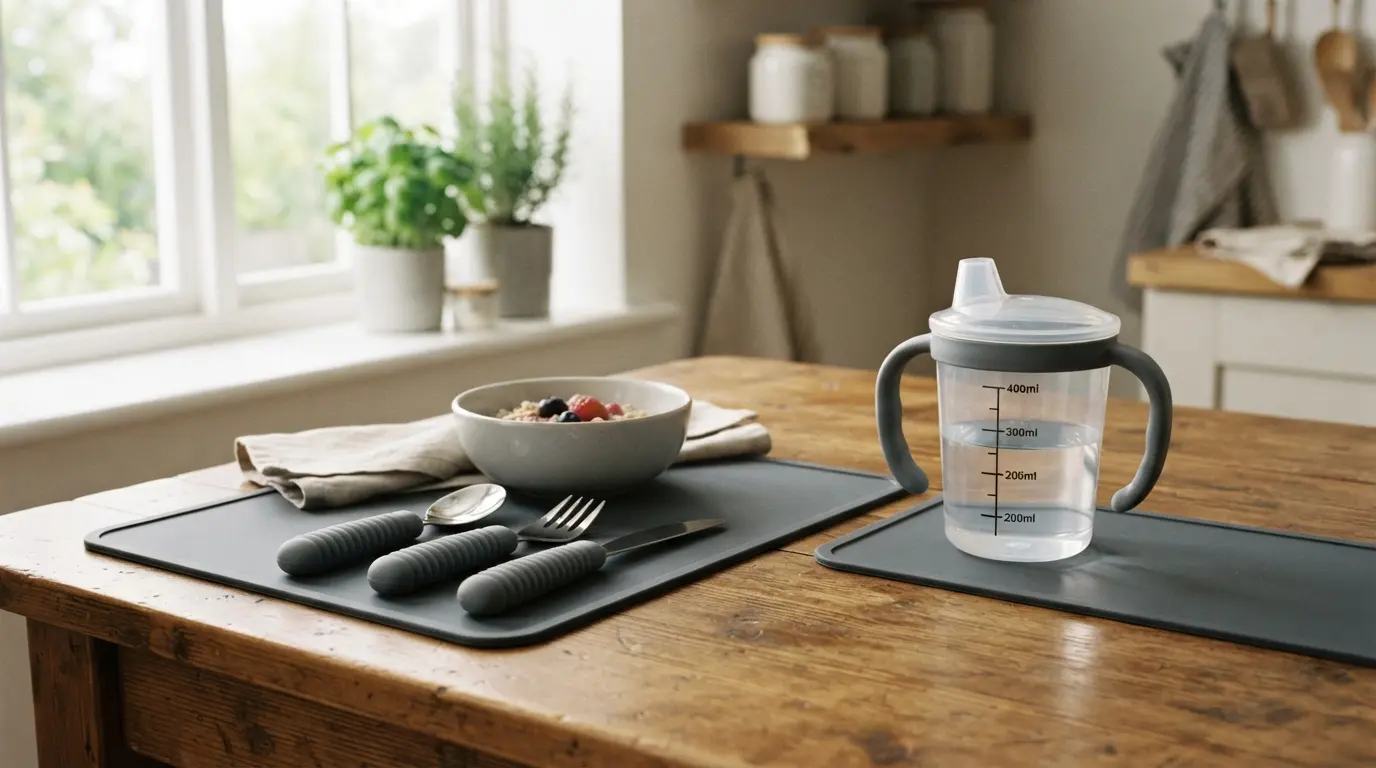
NDIS Consumables: Spending Rules, Eligible Items, and Budget Management
Understand your NDIS consumables funding, approved items, and spending rules. Get clear guidance on managing daily supports with confidence.

How to Hire and Choose the Right NDIS Support Worker
A disability support worker assists you with daily living, personal care, and getting out into your local area under the National Disability Insurance...