
TL;DR Summary
Supported Independent Living (SIL) is a key NDIS service. It helps people with psychosocial disabilities live in their own homes. This support is not just about housing. It is about having a team there to help you every day. You get help with cooking, cleaning, and taking your medicine. You also get help with your mental health goals. The goal is to make sure you feel safe and strong in your space.
NDHS provides this care across Australia. We focus on your unique needs. Psychosocial disability can make daily tasks feel hard. Our team is there 24/7 to make things easier. We help you build skills so you can do more on your own. This service changes lives by giving people freedom. It lets you live the life you want with the right help by your side.
Understanding how these services work is the first step. Let us look deeper into how SIL can change your daily life for the better.
What Is SIL for Psychosocial Disability?
Supported Independent Living is help for your daily tasks. It is for people who need a lot of support at home. Psychosocial disability comes from mental health issues. These issues can affect how you think and act. They can make it hard to live alone without help.
SIL provides a person to stay with you. This person is a support worker. They help you stay safe. They help you stay healthy. This is different from just a place to live. It is a service that comes to your home. You might live alone. You might live with other people. Either way, the support is there for you.
Why Independent Living Matters
Living on your own is a big goal. It gives you a sense of pride. It lets you make your own choices. For many, a psychosocial disability can feel like a cage. You might feel like you cannot do things by yourself. SIL breaks that cage. It gives you the tools to be the boss of your life.
When you live independently, you learn new things. You learn how to manage a kitchen. You learn how to talk to neighbors. These are small steps that lead to big wins. Having a support worker means you are never truly alone. You have a safety net while you try new things.
How NDHS Supports Your Journey
We focus on making you feel heard. Every person has a different story. Your mental health needs are not the same as someone else. We create a plan that fits you perfectly. Our team works across many states.
We offer Supported Independent Living to help you thrive. Our staff knows about mental health. They are kind and patient. They help you through the hard days. They celebrate the good days with you. We want you to feel like your home is a place of peace.
The Role of 24/7 Support
Some people need help all the time. This is called 24/7 support. It means someone is there in the morning. Someone is there at night. If you have a crisis, you are safe. If you get confused, someone can help.
This level of care is vital for psychosocial needs. Mental health can change quickly. Having a professional nearby keeps you on track. They can help you follow your routine. Routines are very good for the mind. They help you feel in control.
Building Life Skills at Home
SIL is not just about doing things for you. It is about teaching you how to do them. This is called capacity building. We help you learn how to cook healthy meals. We help you learn how to use a washing machine.
These skills stay with you forever. The more you learn, the more confident you feel. This confidence helps your mental health. It reduces stress. It makes you feel capable. We believe everyone can grow with the right help.
Navigating the NDIS Process
The NDIS can be hard to understand. There are many rules and forms. You need to show that you need SIL. This usually requires reports from doctors. It requires proof of your disability.
We help you understand these steps. We want to make sure you get the funding you deserve. You can explore our psychosocial support to see how we help with mental health. Having a registered provider helps. It means we follow the best rules for safety.
Finding the Right Home Environment
Your home should be a place where you feel good. Some SIL homes are shared with others. This can be great for making friends. It helps you stay social. Other times, you might have support in your own private flat.
The NDIS looks at what is best for you. They want to see that the home helps you reach your goals. We help you find a space that works. A good home environment reduces anxiety. It makes the psychosocial support work better.
Clinical and Emotional Support
Support workers do more than chores. They provide emotional support. They listen when you need to talk. They help you use coping skills. These skills are important for managing symptoms.
The NDIS Quality and Safeguards Commission helps keep you safe. Our staff is trained to handle mental health challenges. They stay calm and helpful. This creates a stable environment for you to get better.
Connecting with Your Community
Living independently does not mean staying inside. It means being part of the world. We help you get out into the community. This might mean going to the park. It might mean going to a club.
Being social is a big part of mental health recovery. It prevents you from feeling lonely. We walk beside you as you meet new people. We help you build the courage to try social events.
Why Choose a Registered Provider?
Using a registered provider gives you peace of mind. It means the government checks our work. We must meet high standards. This is very important for SIL services.
You want to know that the people in your home are safe. You want to know they are trained. You can learn more by looking at our National Disability Healthcare Support home page. We take our job very seriously. Your safety is our main priority.
Managing Your Mental Health Every Day
A psychosocial disability is a long-term journey. Some days are easy. Some days are very hard. SIL provides the stability you need. It gives you a steady foundation.
When your home life is stable, your mind can rest. You don't have to worry about the little things. Your support worker handles the stress for you. This lets you focus on your recovery.
High Standards of Care
We follow the best research for our care. This is part of the Australian Scientific Research and Development program. We use facts and data to help you. This ensures our methods actually work.
Evidence-based care is the best way to support mental health. It means we use what has been proven to help others. You deserve the best care possible. We never stop looking for ways to improve.
Understanding Psychosocial Recovery
Recovery is not always about a cure. It is about living a full life. You can live a great life even with a disability. SIL is a tool for that life. It supports your dreams.
The Mental Health Commission often talks about the value of independence. It helps people feel like they belong. We are here to make that happen for you.
Your Rights as a Participant
You have the right to be safe. You have the right to be treated with respect. Your support workers should always listen to you. If you are not happy, you can say so.
We encourage you to speak up. It is your life and your home. We are guests in your life. We are there to serve you. This is the heart of what we do.
Taking the Next Step
Independence is waiting for you. It might feel scary to start. That is okay. We take things one step at a time. We don't rush you.
You have the power to change your life. With SIL, you have the help to make it real. Let us help you build the home life you have always wanted. You are strong, and you are not alone.
The Benefits of Professional Advocacy
Sometimes you need someone to help you speak. This is where Advocacy for Disability plays a big role. It ensures your rights are protected during your NDIS journey.
We help you find the right voice. You should always feel empowered to make your own choices about where you live. Our team stands by you to make sure your NDIS plan is followed correctly.
Maintaining Physical Health
Your mind and body work together. Good SIL support includes keeping an eye on your physical health. This means eating well and staying active.
You can find great tips on Healthdirect Australia to stay healthy at home. We help you cook meals that give you energy. We also help you get to your medical appointments on time.
Setting Future Goals
What do you want to achieve next year? Maybe you want to start a hobby. Maybe you want to get a pet. SIL support helps you plan for these milestones.
We sit down with you to talk about your dreams. We look for ways to make them happen. Your disability does not define your future. Your goals and your hard work do.
Peace of Mind for Families
Families often worry about their loved ones. They want to know they are safe at night. SIL gives families the peace of mind they need.
They know that NDHS is there to help. This allows families to focus on being a family. They don't have to be the full-time carer. This makes relationships stronger and happier for everyone.
Empowerment Through Choice
Choice is a powerful thing. You decide what you eat. You decide when you go for a walk. These choices seem small, but they build a big life.
We are here to facilitate those choices. We act as a guide. We never take over your life. We want you to feel in control. This is the ultimate goal of psychosocial support.
Creating a Positive Atmosphere
A happy home makes for a happy mind. We work hard to keep the energy in your house positive. We encourage laughter and joy.
Your support worker is not just an employee. They are a person who cares about your success. This human connection is what makes SIL so special. It turns a house into a home.
Commonly Asked Questions About SIL
Can I choose my own support workers for SIL?
Yes. You should have a say in who comes into your home. We work with you to find staff that you like. It is important that you feel comfortable with your team.
Is SIL the same as Specialist Disability Accommodation (SDA)?
No. SDA is about the building or the house itself. SIL is about the people who help you inside the house. You can have both at the same time. One is the home, and one is the help.
How do I get SIL funding in my NDIS plan?
You need to have a planning meeting with the NDIS. You must show that you need help for 24 hours or a large part of the day. Reports from your therapists will help prove this need.
Can I live with my friends in a SIL house?
Yes. Many people choose to live with friends or other NDIS participants. This helps share the cost of the support. It also makes life more social and fun.
What if I want to change my support provider?
You have the choice and control. If you are not happy, you can move to a new provider. You just need to follow the rules in your service agreement. We always want you to be happy with your care.
Related Articles
What Is a Psychosocial Recovery Coach and How Can You Request One in Your NDIS Plan?
Discover how an NDIS psychosocial recovery coach supports your recovery goals and builds independence. Read our guide to get started today.

Community Access NDIS vs Social and Community Participation
Understand how community access NDIS funding works across Core and Capacity Building categories, including shift rates and travel rules.
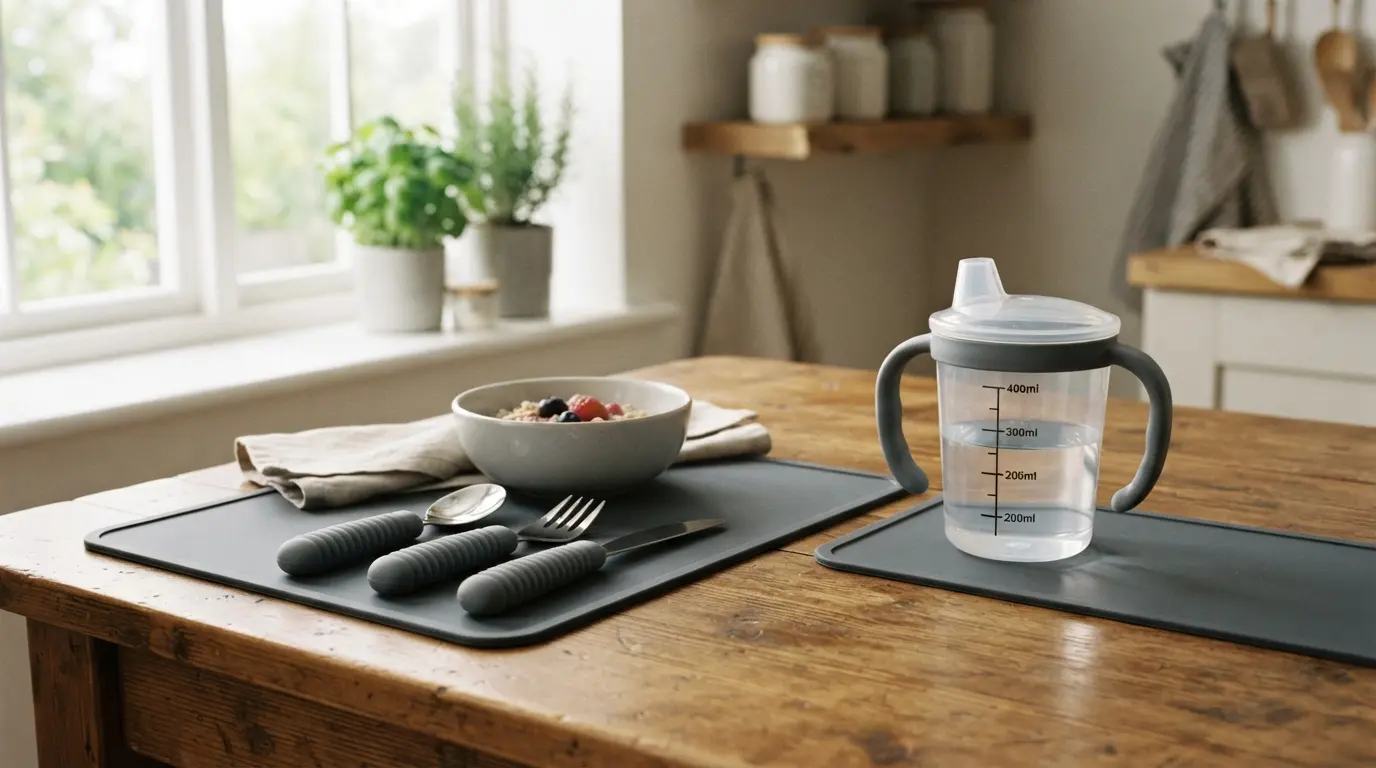
NDIS Consumables: Spending Rules, Eligible Items, and Budget Management
Understand your NDIS consumables funding, approved items, and spending rules. Get clear guidance on managing daily supports with confidence.